
Felting with Children: How to Make Wool-Felted Christmas Ornaments
Felting is a beautiful activity that invites children to explore texture, colors and the joy of making something with care. As the holiday season approaches, crafting wool Christmas ornaments offers a great opportunity to slow down and enjoy meaningful time together. This activity nurtures independence, concentration and creativity, resulting in thoughtful decorations you’ll cherish year after year.
Target ages: 3 and up

| Table of Contents |
| The Importance of Learning with Their Hands The Benefits of Wool-Felting for Children How to Make Wool-Felted Christmas Ornaments Tips for Successful Wool-Felting Conclusion |
The Importance of Learning with Their Hands
Maria Montessori believed that “hands are the instruments of man’s intelligence.” She observed that children learn best when they engage actively with the world using their hands to explore, create and understand. Children develop a wide range of important skills by doing so:
- Fine motor skills: Precise movements of the fingers and hands strengthen coordination, which is an indirect preparation for writing later on.
- Concentration: Manipulating objects requires focus, patience and attention to detail, which naturally improves a child’s ability to concentrate.
- Independence: When children complete a task with their own hands, they gain confidence and a sense of accomplishment.
- Connect mind and body: Physical action and cognitive development are intertwined; by touching, shaping, and experimenting, children internalize concepts more deeply.
- Creativity: Hands-on work allows children to explore, problem-solve, and make decisions, giving them a sense of ownership over their creations.
Wool-felting is a perfect example of this. Children use their hands to grab, pat, and shape wool, engaging multiple senses in the process. Through this tactile experience, they practice fine motor skills, concentration, and patience. The activity connects mind and body, encourages independent decision-making (choosing colors, shapes and designs), and fosters creativity within a structured process. The process is both tactile and thoughtful, allowing children to experience the joy of making something meaningful while developing skills that support their growth and confidence.
The Benefits of Wool-Felting for Children
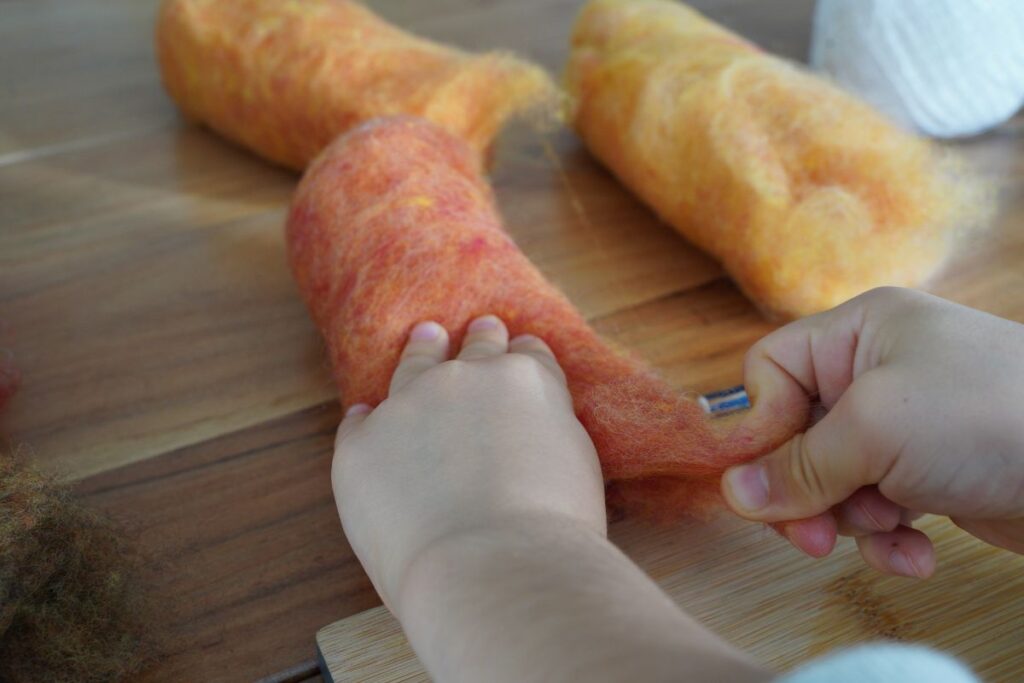
When I worked in a Montessori classroom, I remember noticing a wool-felting activity on the shelf and not quite knowing what it was at first. What quickly stood out to me, though, was how absorbed the children became whenever they worked with it. They were focused, joyful, and deeply engaged in the process. And when they finished their creations, the satisfaction on their faces was clear to see.
That experience inspired me to bring this activity into my own home and give my children the chance to explore the art of felting. It offers so many benefits and aligns beautifully with various Montessori principles:
- Sensorial Exploration. Felting engages multiple senses at once. Children can feel the softness of the wool, see the fibers transform as they compact, and notice subtle changes in color and shape. This rich sensory experience supports their ability to observe, compare, and refine their perceptions.
- Control of Movement and Fine Motor Skills. The process of pressing, and shaping wool develops hand strength, coordination, and dexterity. It serves as an indirect preparation for other everyday tasks and later skills like writing.
- Concentration and Focus. Felting requires patience and gentle, repeated actions. Children often become absorbed in the process.
- Independence and Initiative. From selecting colors to shaping the wool and finishing their ornaments, children take ownership of their work. This fosters responsibility, decision-making, and satisfaction in their creations.
How to Make Wool-Felted Christmas Ornaments
Felting doesn’t need to be complicated. Here is a simple, child-friendly tutorial to make felted Christmas ornaments that your children will love creating. They can proudly display them on the tree or give them as handmade gifts!
Materials
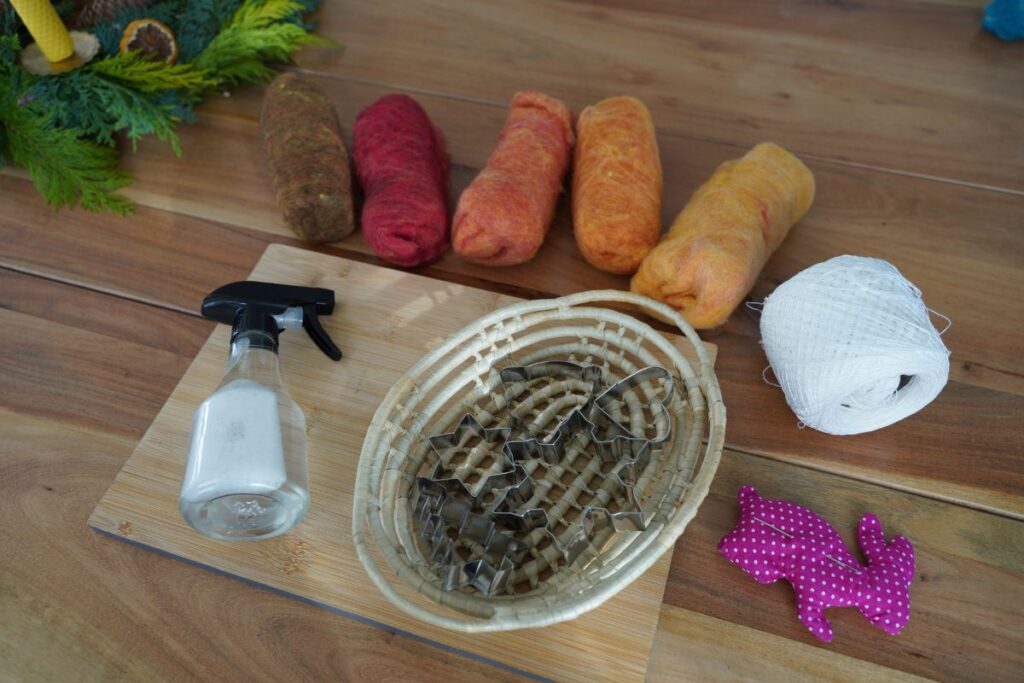
- Felting Wool in different colors
- Cookie cutters (stars, trees, snowflakes, hearts, etc.)
- Small spray bottle filled with soapy water
- Table mat or cutting board for work surface
- Ribbon or string for hanging
- Yarn needle
- Small towel to dry the ornaments
Step-by-Step Process
- Bring the materials to the table and invite your child to place a table mat.
- Let your child choose a cookie cutter shape.
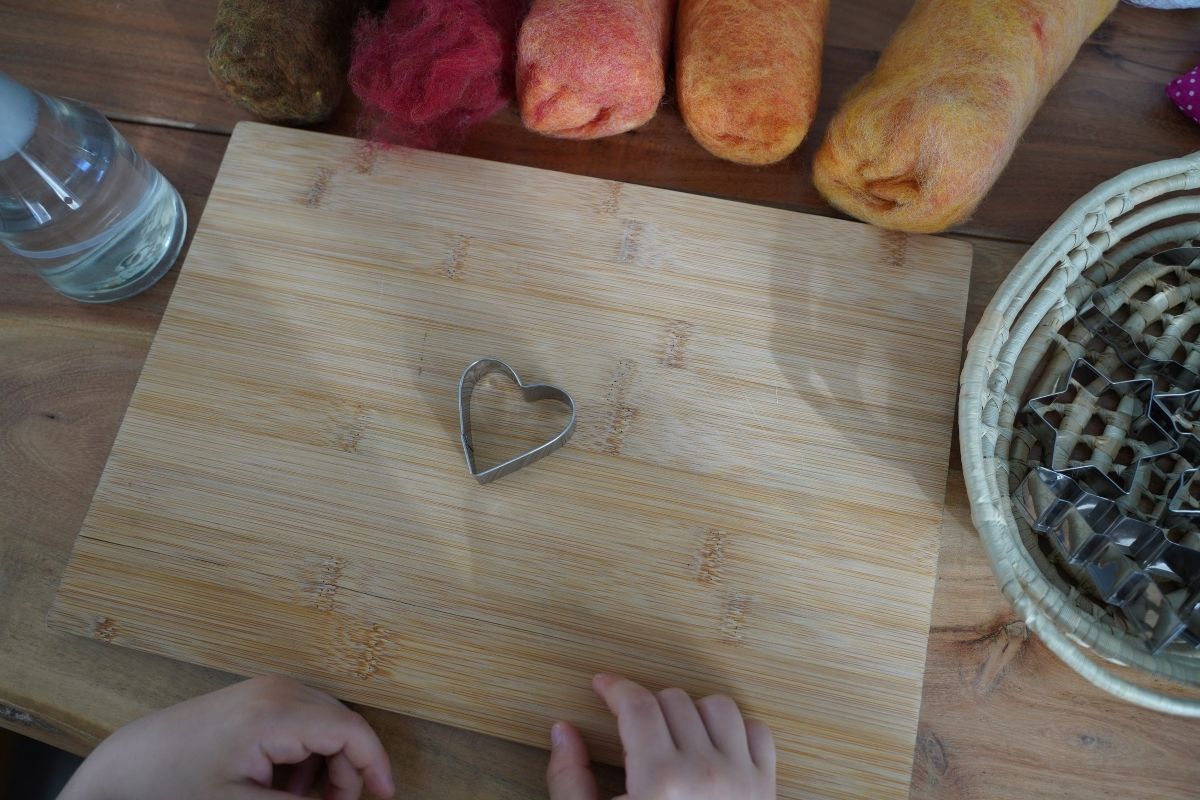
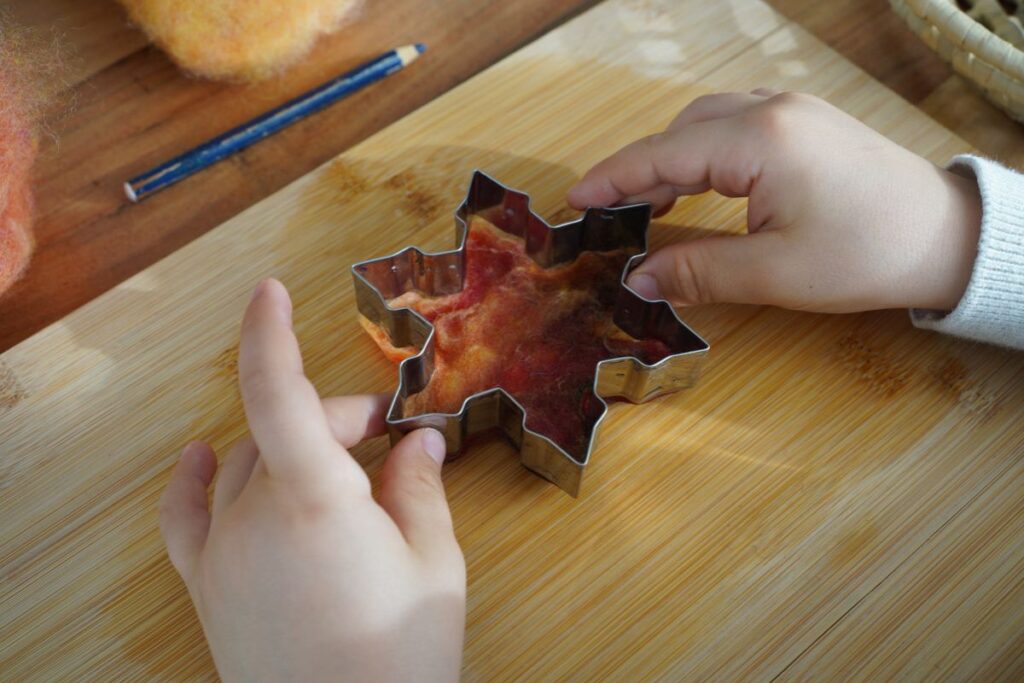
- Show how to gently pull small tufts of wool and place them inside the cookie cutter, filling the shape evenly.
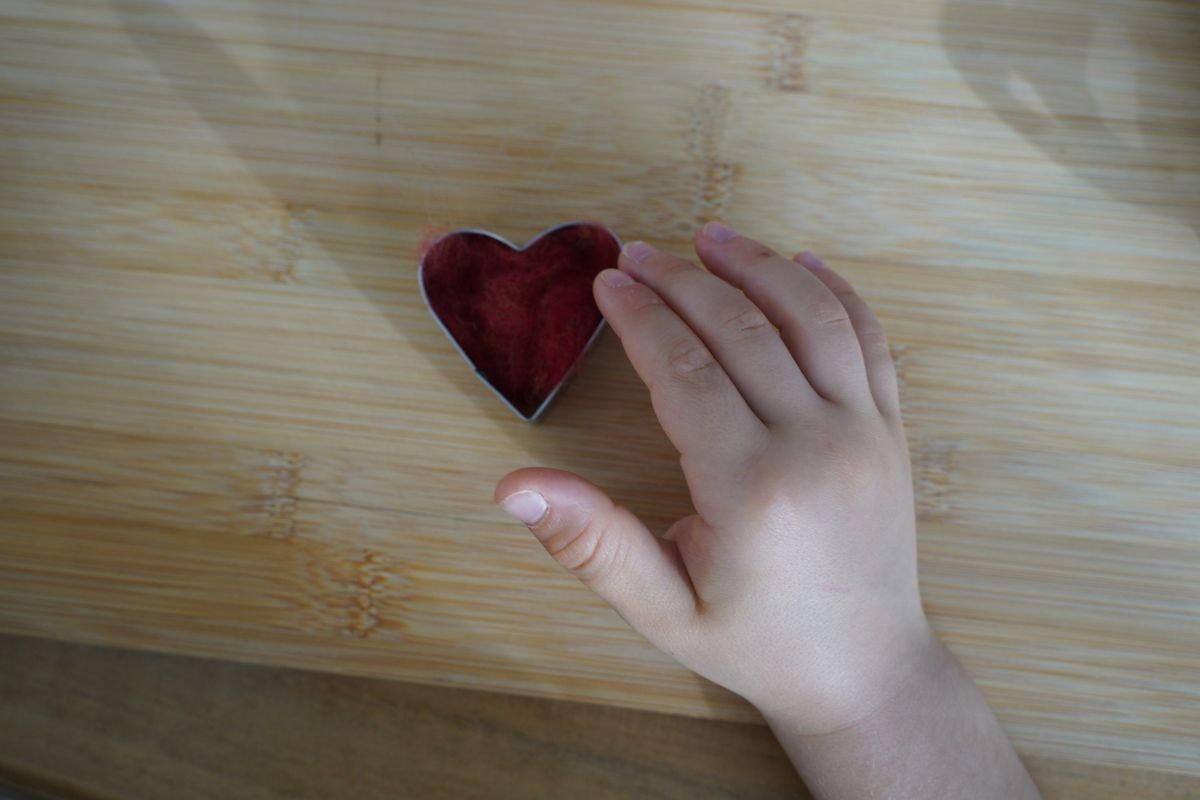
- Spray some soapy water until the wool is damp but not soaked.
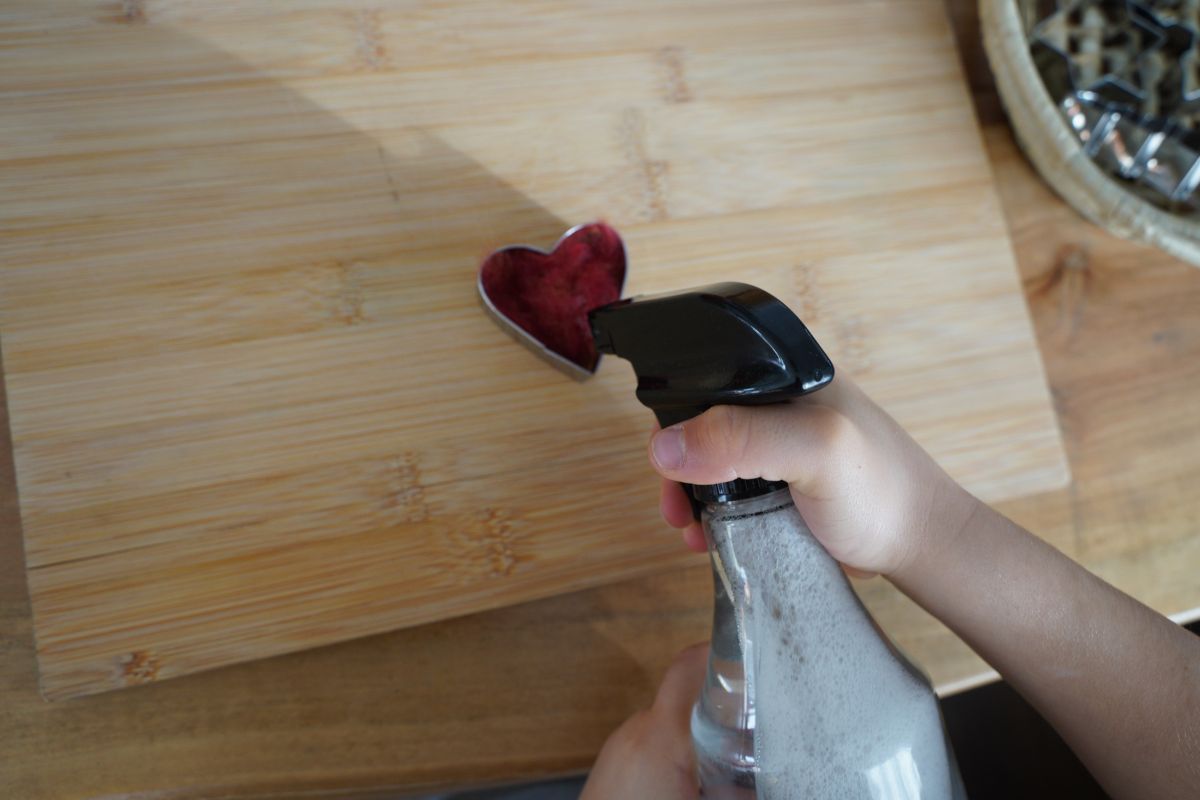
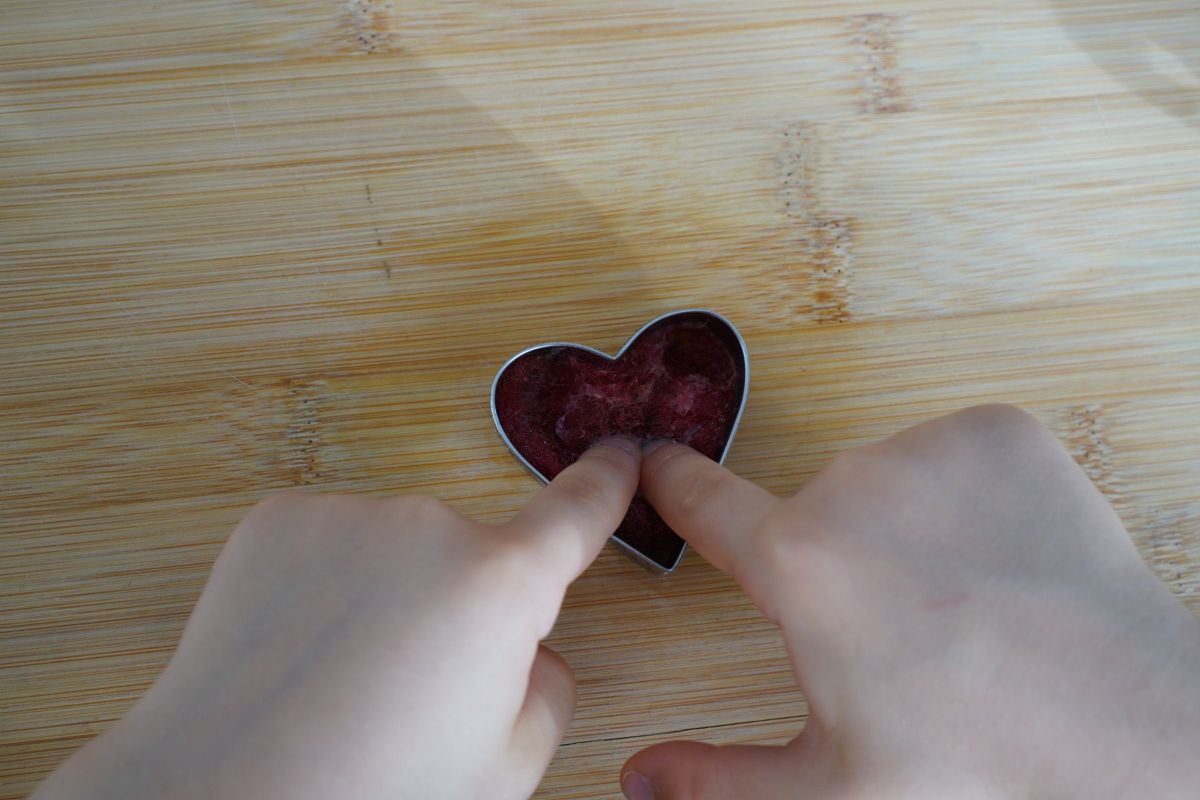
- Press and pat the wool with your fingers to help it compact. If there are thin spots, add a little more wool and spray again.
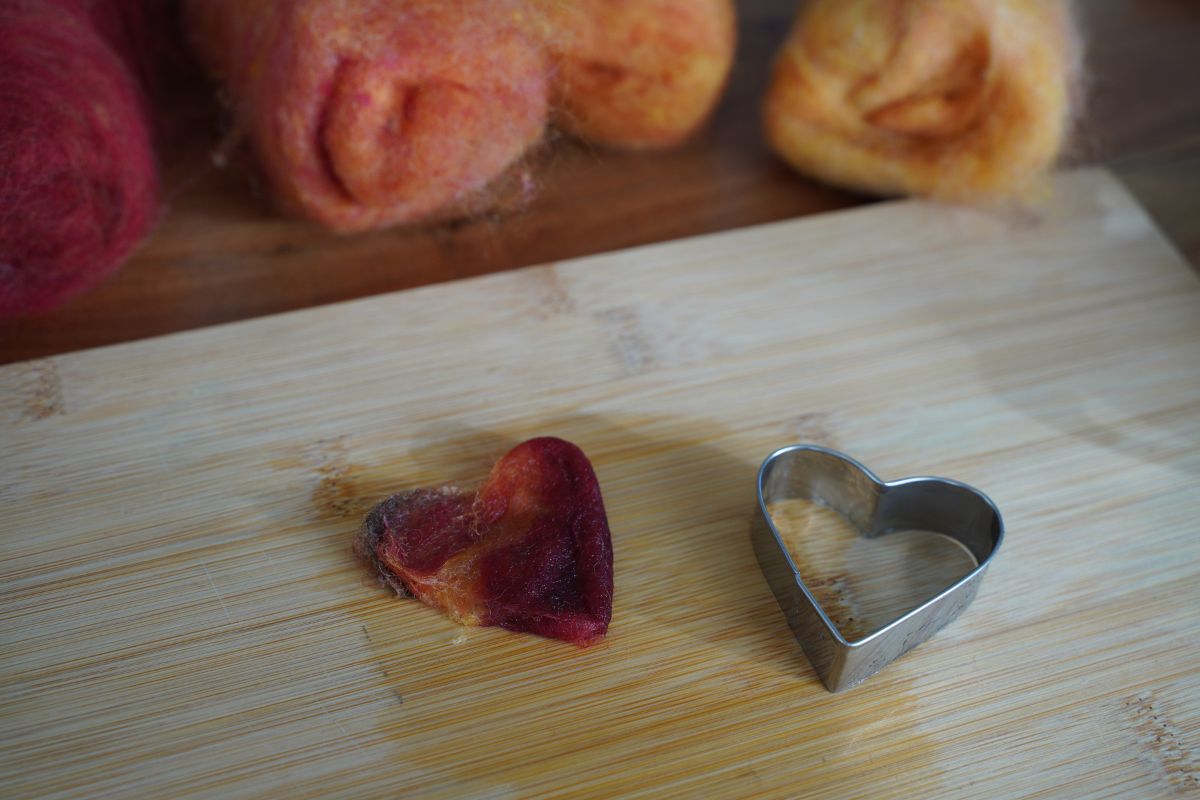
- Once the wool is well-compressed, lift the cookie cutter straight up to reveal the felt shape.
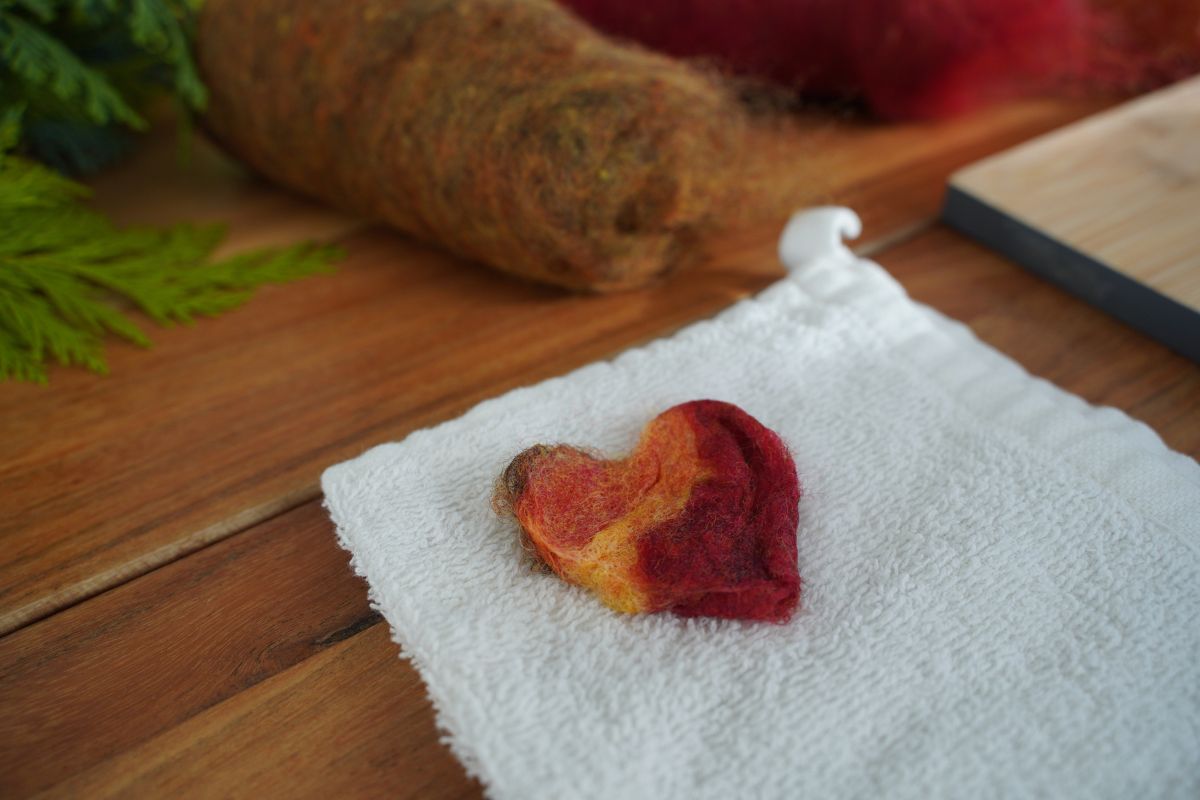
- Place the felt piece on a small towel to dry completely.
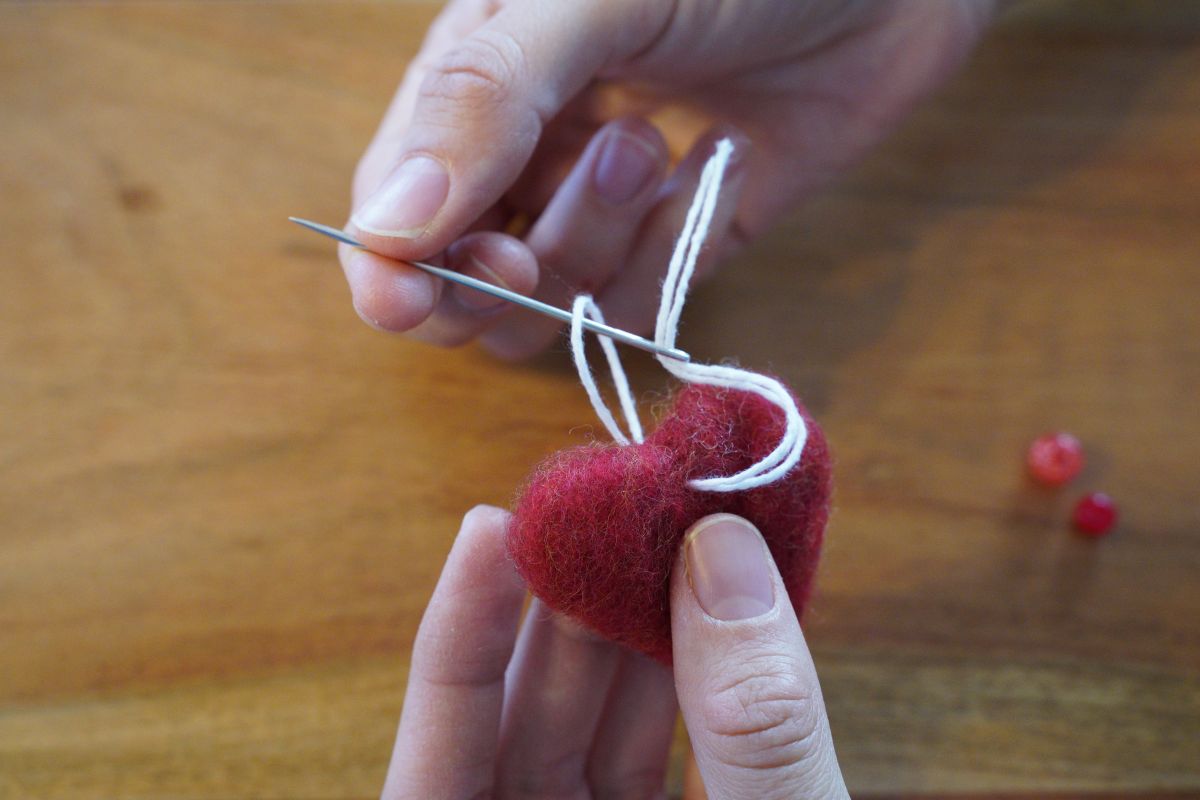
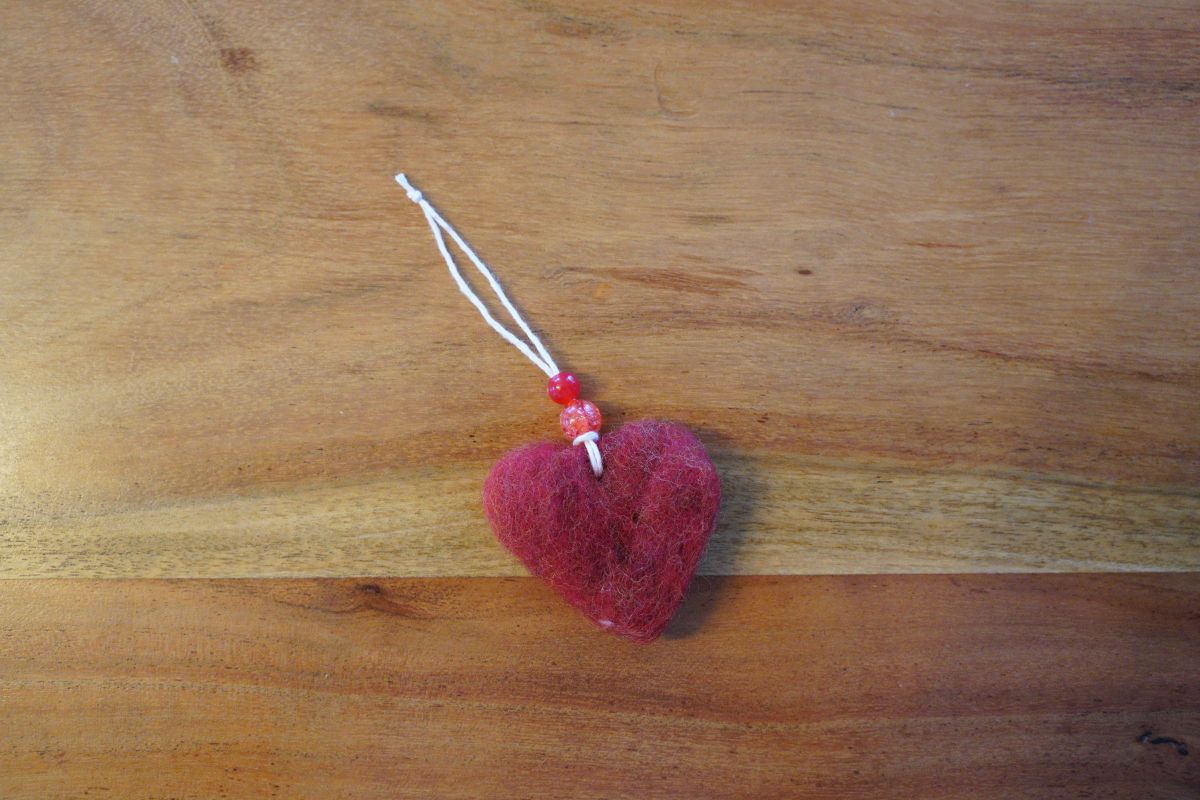
- When it’s dry, help your child thread a ribbon through the top with a yarn needle and tie a knot at the end. You can also add some beads if you want (optional).
- Invite your child to hang it on the tree or wrap it as a handmade gift!
Tips for Successful Wool-Felting
Wool-felting is a fun and rewarding activity, but a few simple tips can help make the process smoother and the results even more beautiful. Keeping these in mind will help your child create well-shaped, sturdy felt pieces:
- Less is more. Avoid overfilling the shape with wool. As it dries, the wool will puff up, and too much can make the shape lose its definition.
- Mind the edges. Use the bottom of a pencil or another thin tool to gently press the wool into corners and edges. This helps create crisp, clean shapes.
- Check for gaps. If you notice thin spots, add a small tuft of wool and dampen it lightly. Building it up gradually gives the best results.
- Patience matters. Allow the wool to dry completely before threading a ribbon or handling it too much. This ensures your felt holds its shape.
Conclusion
Wool-felting is a wonderful activity that fosters focus, creativity, and independence, while giving children the chance to explore textures and shapes. And there’s nothing quite like the joy of seeing their handmade ornaments displayed on the tree or given as a gift!
Affiliate Disclaimer: Some links on this site are affiliate links. If you make a purchase, I may earn a small commission at no extra cost to you. As an Amazon Associate, I earn from qualifying purchases. I only share products I truly recommend.
